Sever's Disease (Calcaneal Apophysitis)
What is Sever’s Disease?
Understanding the condition
Sever’s disease, also known as calcaneal apophysitis, is one of the most common causes of heel pain in children and adolescents—especially those who are active in sports. It occurs when the growth plate at the back of the heel becomes irritated and inflamed from repetitive stress. The condition is temporary and usually resolves once the growth plate closes after puberty, but it can cause significant discomfort and limit physical activity in the meantime.
When to suspect Sever’s disease?
Signs & Symptoms
Heel pain or tenderness
Pain when squeezing the sides of the heel
Limping or walking on toes
How We Diagnose Sever's Disease
Diagnosis is based on a detailed physical examination and a review of activity level and growth patterns. The doctor checks for heel tenderness, tight calf muscles, and pain with pressure on the growth plate. X-rays are typically not required unless another condition needs to be ruled out.
How is Sever’s Disease treated?
How We Heal Sever's Disease
- Rest and activity modification, reducing or pausing high-impact activities until symptoms improve.
- Ice therapy, applied to the heel after activity to ease pain and swelling.
- Heel cups or cushioned orthotics, to absorb shock and reduce stress on the heel.
- Stretching exercises, targeting the calf muscles and Achilles tendon to relieve tension.
- Anti-inflammatory medications, for short-term pain and inflammation control.
How is surgery performed?
We ARE Specialized in foot & ankle health
Expert Care You Can Trust
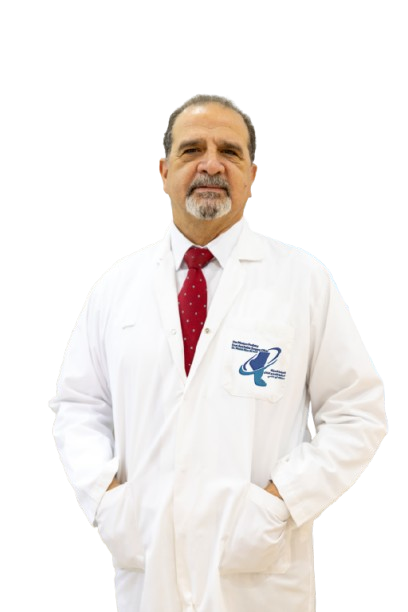
At The Modern Podiatry, Dr. Malek Abu Al Nadi combine advanced diagnostics, evidence-based treatments, and personalized rehabilitation plans to ensure a safe and complete recovery for ankle sprains.